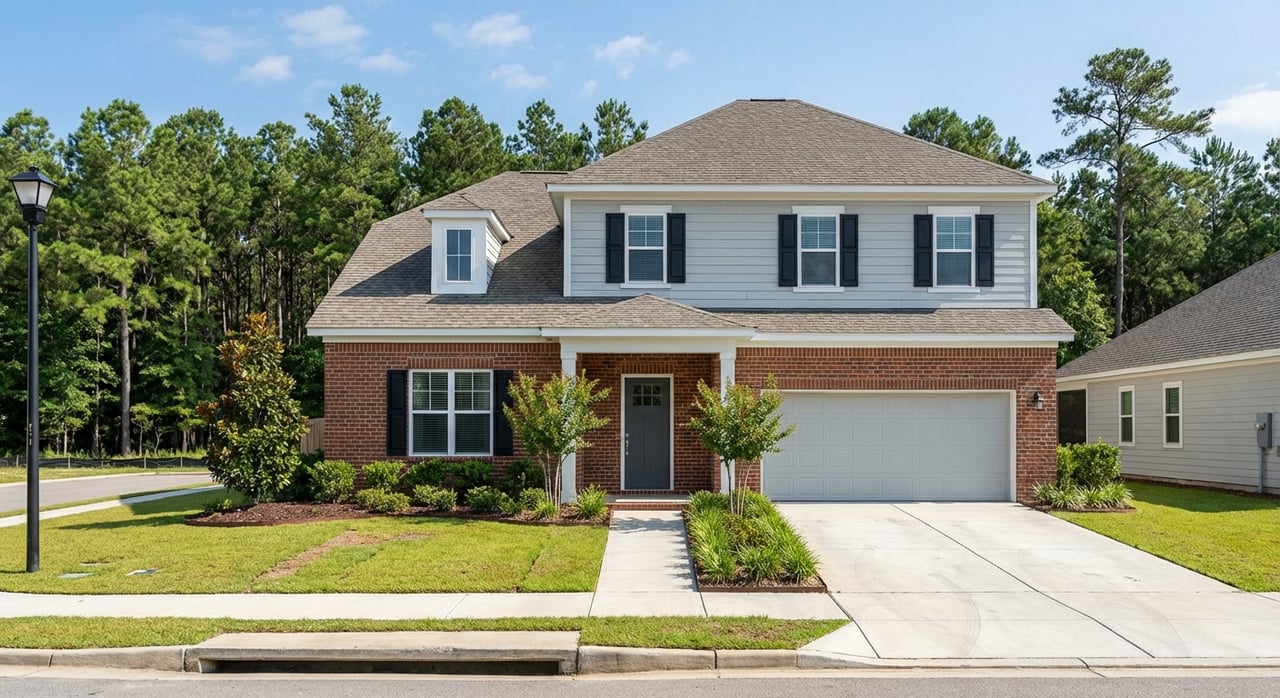
Thinking about a new-build home in Hoke County but not sure which neighborhood fits you best? You have great choices, from starter plans to larger family homes, and many sit within an easy drive of Fort Liberty and Fayetteville. The key is knowing how to compare plans, lots, HOAs, utilities, and commutes so you get long-term value. In this guide, you’ll learn a clear way to stack neighborhoods side by side, what to ask each builder, and how to protect your budget before you sign. Let’s dive in.
Hoke County new construction at a glance
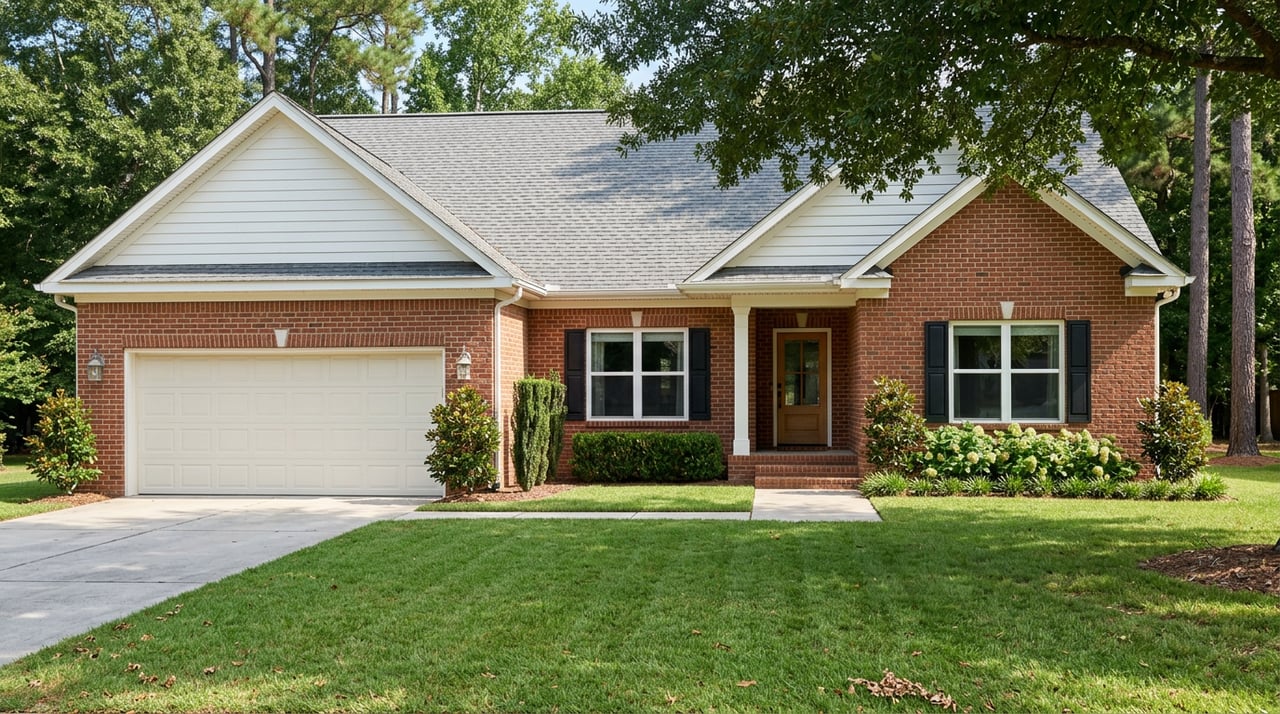
Hoke County has an active lineup of regional and national builders. Examples include Caviness & Cates in Brookstone Village and Ascot Homes in Graceland. You’ll find a mix of one- and two-story plans, from compact ranches to larger two-story homes with flexible spaces for work or guests. Builders regularly release new phases, so availability changes by month and by lot.
Most communities advertise starting prices in the high $200Ks to mid $300Ks, with quick-move-in homes trending higher for larger plans and upgraded finishes. Typical floor plans range from about 1,500 to 2,800 plus square feet with 3 to 5 bedrooms. Always check a live community page for current availability and included features. You can explore examples on the Brookstone Village page from Caviness & Cates and the Graceland page from Ascot Homes.
How to compare neighborhoods in Hoke County
Use the sections below as your comparison grid. Pull up two or three communities you like and score each on these points.
Floor plans and finishes
Look at plan types (ranch vs. two-story), square footage, bedroom count, and whether a first-floor primary suite is available. Confirm garage size and storage, plus standard features vs. upgrades. These details impact both daily livability and your monthly payment. For a sense of plan variety and features, review a community page like Brookstone Village from Caviness & Cates or Graceland from Ascot Homes.
Lot size, orientation, and site
Compare lot width, depth, and backyard exposure. Note if the lot backs to open space or other lots, and ask about grading, drainage, and any buffers. In Hoke County, you’ll see small suburban lots in amenity neighborhoods and larger “country” lots in some phases. Lot size affects privacy, fencing rules, landscaping costs, and sometimes HOA categories.
HOA scope, rules, and fees
Ask which amenities are planned and when they will be delivered. Common offerings include gated entrances, a pool or clubhouse, a dog park, playgrounds, and walking trails. Dues vary by amenity load and maintenance obligations. Request the full HOA declaration, bylaws, budget, reserve details, architectural review guidelines, and recent meeting notes. In North Carolina, many planned communities fall under the state’s Planned Community Act, which outlines governance and owner rights. Confirm whether your community is governed by that statute and get the recorded declaration.
Utilities, water, and sewer capacity
Confirm if your home will be on public water and sewer or private well and septic. Hoke County Public Works provides water to many new subdivisions and maintains wholesale purchase agreements with nearby providers. Water allocation and zone capacity can influence project timing for large neighborhoods. Ask the builder to confirm the provider for your specific lot and whether allocation is secured for your address. You can review county policies and recent water purchase agreements for local context.
Permits, inspections, and timelines
Hoke County handles zoning, environmental health (for well and septic), and building permits. County inspections occur during key stages such as framing and mechanical systems. Verify which inspections are complete for your home, if any third-party inspections are allowed, and who pays for them. Also set expectations for your pre-closing punch list and final walk-through timing in writing. The county inspections page lists contact details and inspection information.
Schools and local services
School assignments are address-based and can change. Double check current zoning for any new-build address you are considering by contacting Hoke County Schools. Also think about proximity to daily services like health care, retail, and recreation. Many Hoke County communities market easy access to Fayetteville and the Sandhills region for those amenities.
Transit, commute, and highways
If you commute, map your likely route to Fort Liberty, Fayetteville, or Pinehurst/Southern Pines. Drive times often range from about 20 to 35 minutes from Raeford to Fayetteville (depending on your origin, destination, and gate) and about 30 to 45 minutes to Pinehurst. Hoke County operates a demand-response transit service. There is limited fixed-route transit, so daily commuters usually drive.
Commute and lifestyle tradeoffs
Many buyers choose Hoke County for more house and lot for the budget, then trade a slightly longer commute for space and value. US 401 and NC 211 provide major access to Fayetteville and the Sandhills. If you want neighborhood amenities with a short commute, look closely at each community’s location relative to your daily destinations. Model home pages often highlight proximity to shopping and services, which can help you shortlist options.
Incentives, financing, and warranties
Builders frequently offer incentives to help with affordability and move-in costs. Common options include closing-cost credits, flex upgrade dollars, and interest rate buydowns. Ask whether incentives require using the builder’s preferred lender or closing attorney, whether they are inventory or time limited, and how they will be reflected on your loan estimate and appraisal.
Most new homes come with a written builder warranty. A common structure is one year for workmanship, two years for major systems, and ten years for structural coverage. Many builders use third-party, insurance-backed structural warranties that are transferable. Request the actual warranty document and the claims process before you sign so you understand timelines and who handles service.
Your pre-signing checklist
Use this list to confirm important details before you write an offer or go under contract.
- Price and inclusions: Is the quoted price a base price, and what is included vs. optional? Ask for an itemized inclusions list and any lot premiums in writing.
- Deposits and escrow: Where is your deposit held and under what conditions is it refundable? If a broker is involved, North Carolina rules cover the handling of trust and escrow funds. Ask for the deposit and refund policy in writing.
- Incentives and financing: What incentives apply to your specific home? Are they tied to using the builder’s preferred lender or title provider? If a buydown is offered, is it temporary or permanent, and who pays the lender fees to implement it?
- Construction schedule: What is the target completion date and what happens if it is missed? Clarify how delays due to weather, supply, or municipal approvals will be handled.
- Inspections: Which county inspections are required and completed? Can you order independent inspections at pre-drywall and final, and who pays for them?
- Lot and site: Are there recorded easements or floodplain notes on the plat? Who is responsible for final grading, driveway finish, and sod or seed?
- Utilities and capacity: Who is the water and sewer provider for your lot and is allocation secured? This is important in Hoke County, where provider agreements and allocations can affect timing.
- HOA: Request the full declaration, bylaws, budget, architectural review process, and the developer’s rights. Ask when owners will take control of the HOA.
- Warranty and service: Who administers the warranty, is coverage transferable, and how do you submit a claim after closing?
- Resale and appraisal: Will unsold spec homes or heavy incentives in the community affect your appraisal or near-term resale? Ask about sales velocity and inventory.
How we help you choose with confidence
New construction can be a smooth path if you have a local advocate who understands builder contracts, timelines, and incentives. With extensive experience guiding buyers across the Sandhills and a strong VA and PCS background, you get clear communication, smart negotiation, and steady follow-through from contract to close. Whether you are local or shopping from out of state, we can handle video tours, remote paperwork, and on-site check-ins so you stay on track.
If you are ready to compare neighborhoods, floor plans, and incentives side by side, let’s talk. Reach out to Erica Mooring for a friendly, no-pressure consult and a plan that fits your timeline and budget.
FAQs
What price ranges and home sizes are common for Hoke County new builds?
- Many communities market starting prices in the high $200Ks to mid $300Ks, with common plans around 1,500 to 2,800 plus square feet and 3 to 5 bedrooms.
How long are commutes from Hoke County to Fort Liberty and Pinehurst?
- Depending on the neighborhood and gate, Raeford to Fayetteville can be about 20 to 35 minutes and Raeford to Pinehurst can be about 30 to 45 minutes; always check live map times for your route.
Who provides water and sewer in new Hoke County subdivisions, and why does allocation matter?
- Hoke County Public Works serves many new neighborhoods and uses wholesale agreements with nearby providers; lot-level water and sewer allocation can affect timing, so confirm provider and allocation for your specific lot.
What should I review about the HOA before buying into a new Hoke County neighborhood?
- Ask for the declaration, bylaws, budget, reserves, architectural rules, and amenity timeline; confirm whether the community is governed by North Carolina’s Planned Community Act and when owner control begins.
How do builder incentives usually work?
- Builders often offer closing-cost credits, design upgrades, or rate buydowns; verify any lender or time conditions and how each incentive will appear on your loan estimate and appraisal.
What inspections are done on a new home, and can I add my own?
- The county performs required stage inspections; you can typically add independent pre-drywall and final inspections at your expense, but confirm permission and timing with the builder in writing.
How do school assignments work for new neighborhoods in Hoke County?
- School zoning is address-based and subject to change; confirm current assignments with the district for the specific lot you are considering.