Tired of watching rent take a big bite out of your budget? House hacking can help you live for less while building equity right here in Harnett County. If you are a first-time buyer, a military family, or a practical investor, this strategy can turn your home into a financial tool. In this guide, you will learn the models that work, the local rules to check, financing paths that fit, and a simple plan to get started. Let’s dive in.
What house hacking means
House hacking is when you buy a home and use part of it to offset your living costs by renting space to others. Common models include:
- Renting one or more bedrooms in a single-family home.
- Buying a duplex, triplex, or quad and living in one unit while renting the others.
- Adding or purchasing a home with an Accessory Dwelling Unit (ADU) or in-law suite.
- Running a short-term rental, which requires separate regulatory and insurance review.
Most low-down-payment loans expect you to live in the property as your primary residence. That owner-occupancy piece is important for financing and for staying in compliance.
Why Harnett County works
Harnett County sits between the Raleigh metro and Fayetteville, which creates multiple renter pools and steady demand. Proximity to major employment centers and Fort Bragg in neighboring Cumberland County supports year-round interest in some submarkets. Campbell University in Buies Creek also brings student and staff demand.
Towns like Dunn, Lillington, Erwin, and Angier offer a mix of price points and property types. Commute corridors make it practical for tenants who work across the Sandhills region. When you match the right property to the right renter group, your monthly costs can drop significantly.
Local rules to check first
Harnett County has both incorporated towns and unincorporated areas. Zoning, permitting, and rental rules can differ based on location. Before you count on rental income, confirm what is allowed on a specific parcel.
Zoning and ADUs
- Zoning varies between unincorporated Harnett County and town limits. Duplexes, ADUs, and accessory buildings are district specific.
- Verify permitted uses with Harnett County Planning and Inspections or the relevant town planning office for Angier, Dunn, Erwin, or Lillington.
- Homeowners associations often limit rentals or short-term stays. Review CC&Rs early.
Septic, sewer, and utilities
- Many properties use septic systems. Adding bedrooms or a second unit may require a septic evaluation or upgrade through Harnett County Environmental Health.
- Some municipalities or utility providers require separate meters for additional units. Ask about meter rules and hookup costs.
- Building permits and inspections are required for structural changes, added kitchens, or new dwelling units.
Landlord-tenant and safety basics
- Renting rooms or units triggers North Carolina landlord-tenant law. Plan for proper leases, security deposit handling, and the legal eviction process if needed.
- Properties built before 1978 require lead-based paint disclosure.
- Room rentals and basement apartments must meet safety standards like egress, smoke and CO detectors, and adequate heat.
Short-term rentals and taxes
- If you plan a short-term rental, check local registration or lodging tax requirements within the town or county jurisdiction.
- Clarify whether your loan program and HOA documents allow short-term hosting.
Financing house hacks in Harnett County
You have several paths that support owner-occupant house hacking. The right choice depends on your eligibility, down payment, and renovation needs.
- FHA loans let you buy 1 to 4 units with a low down payment if you live in the home. In some cases, rental income from other units can help you qualify if documented properly. FHA 203(k) can roll approved renovation costs into your loan.
- VA loans allow eligible veterans to buy 1 to 4 units with zero down if you live in one unit. Property condition must meet program standards.
- USDA Rural Development loans offer no-down-payment options for eligible rural areas and qualified borrowers. Eligibility is map based and can vary by address within Harnett County.
- Conventional loans include primary residence programs for 2 to 4 units and low-down-payment options like HomeReady or Home Possible. Investment property loans usually require larger down payments.
- Portfolio or local bank products can be more flexible on documenting rental income and rehab scope for owner-occupants.
Owner-occupancy timelines and reserve requirements vary, so confirm details with your lender before you make an offer.
Key lender questions to ask
- Does your program allow owner-occupied financing for a duplex, triplex, or quad, and what is the required down payment?
- How long must I occupy the home as my primary residence?
- Can projected rental income help me qualify, and what documentation will you need?
- If I plan an ADU or conversion, does your loan allow that scope of work? How do 203(k) or conventional renovation loans handle bids and timelines?
- Will you require septic inspections or capacity certifications for homes on private systems?
- What reserves do I need for multi-unit financing?
- Are short-term rentals allowed under this product, and can that income be used for underwriting?
- What rate and terms change if the property is treated as owner-occupied multi-unit versus an investment?
Where to find the right property
The best house-hack setups are not always labeled as “investment” listings. Look for:
- Duplexes, triplexes, or quads already configured for separate living.
- Single-family homes with in-law suites, two kitchens, separate entrances, or a finished basement with walk-out access.
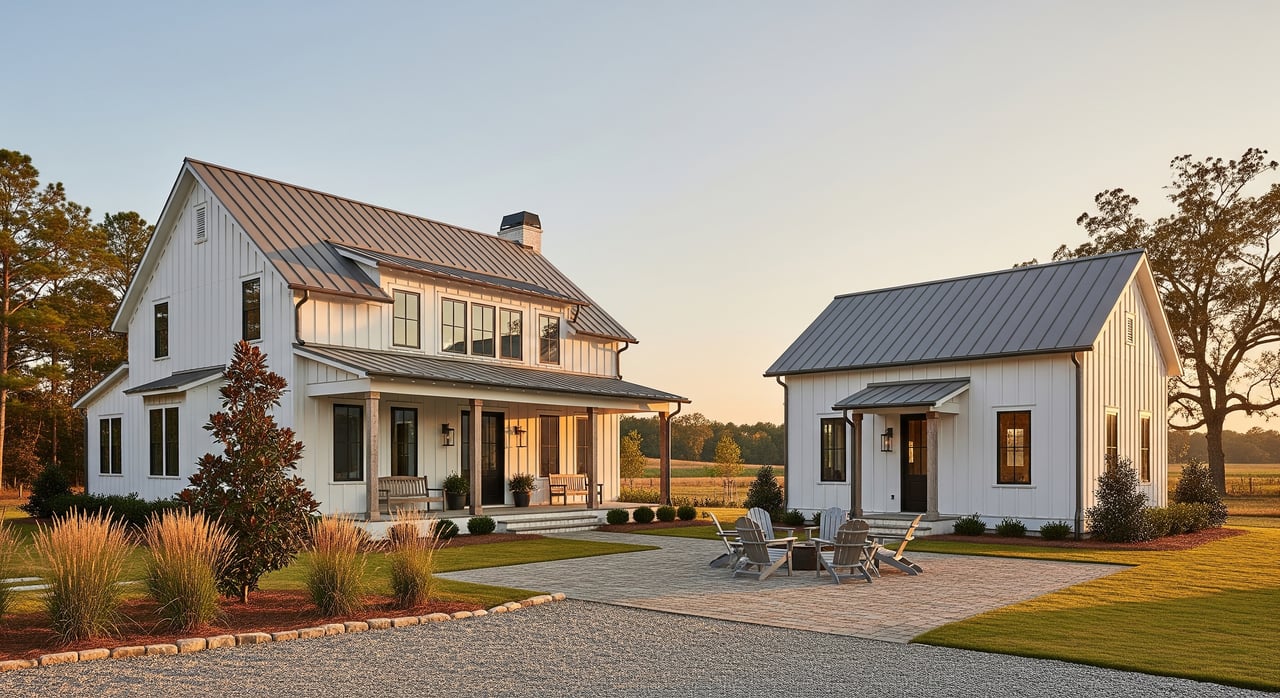
- Properties with accessory buildings or carriage houses that could become ADUs, subject to zoning and septic rules.
- Homes on larger lots that might accommodate a detached ADU if setbacks and lot coverage allow.
- Locations near demand drivers like Campbell University in Buies Creek, downtown areas in Dunn, Angier, or Lillington, and commute routes to Raleigh or Fayetteville.
Evaluate a property like an investor
Run the numbers and confirm feasibility before you fall in love. Key concepts include:
- Gross rent multiplier and cap rate for a quick read on value.
- Cash-on-cash return and monthly cash flow after all expenses.
- Realistic rent comps by room or by unit, plus a vacancy allowance.
Use a clear checklist during your search:
- Zoning and permitted use for the exact parcel.
- Sewer or septic capacity and condition. Bedroom counts often tie back to septic permits.
- Utility setup and the feasibility of separate meters.
- Separate entrances and code-compliant egress for each rentable space.
- Parking requirements per unit or bedroom.
- Life-safety items like smoke and CO detectors and adequate HVAC and electrical service.
- Insurance availability and the right policy type. You may need landlord coverage for rented areas.
- HOA or deed restrictions that limit rentals or ADUs.
- Existing leases, tenant status, and any history of code issues.
- Property taxes, insurance premiums, and any special assessments.
- Renovation scope and cost to bring a unit up to habitable standards.
Operational choices also matter. Decide early whether utilities are included in rent or billed back, and choose a lease structure that fits your setup. For room-by-room rentals, consider a license agreement format and seek legal guidance to stay compliant with North Carolina law.
Timeline and permitting expectations
If you are converting space or building an ADU, plan for a longer runway. Typical steps include a site plan, permit reviews, inspections, and any needed septic upgrades. Some towns apply design or size limits for ADUs and setbacks can restrict where you can build.
During due diligence, schedule a general home inspection, septic evaluation if applicable, and walk the property with a contractor or architect. This helps you confirm costs, timelines, and the path to passing final inspections so units can be legally rented.
How Erica helps you house hack
You do not have to navigate this alone. A local, hands-on agent can help you source the right property and avoid missteps that hurt cash flow.
Here is what working with Erica typically looks like:
- Smart search setups. MLS filters for multi-unit options and keywords like in-law suite, second kitchen, basement apartment, or separate entrance. Watchlists for properties with outbuildings or larger lots.
- Early feasibility checks. Quick calls to planning and environmental health to confirm zoning, ADU potential, and septic limits before you write an offer.
- Real rent comps. Submarket-level analysis for per-room or per-unit rents so your underwriting is realistic.
- Document pulls. Utility bills, permit history, existing leases, and any code correspondence from the seller or municipality.
- A trusted team. Inspectors familiar with multi-unit and ADU issues, septic specialists, local contractors or architects, and lenders who understand FHA, VA, USDA, and renovation products.
- PCS and VA experience. If you are a military family or veteran, Erica’s VA loan know-how and remote closing support help you move with confidence.
A simple first-step plan
- Step 1: Choose your model. Room rentals, duplex, or ADU. Pair that with likely loan options such as FHA, VA, USDA, or conventional.
- Step 2: Confirm feasibility. Call Harnett County Planning and Inspections, Environmental Health, and the relevant town planning office to verify zoning, septic capacity, and utility requirements.
- Step 3: Set your search. Work with Erica to target inventory and generate rent comps for your exact submarket.
- Step 4: Inspect and budget. Once under contract, order inspections, septic checks if needed, and contractor estimates for any conversion or safety upgrades.
- Step 5: Prepare to operate. Line up lease forms, insurance, and a plan for utility billing and deposits. A CPA can advise on tax treatment for rental income and expenses.
Ready to reduce your housing costs and build long-term equity in Harnett County? Connect with Erica Mooring for a practical game plan, from property search to compliant setup and closing support.
FAQs
What is house hacking for first-time buyers?
- House hacking means you buy a home and rent part of it to offset your mortgage, such as a spare bedroom, an ADU, or another unit in a duplex.
Can I use a VA loan to buy a duplex in Harnett County?
- Yes, eligible veterans can use VA financing to purchase up to 4 units if they live in one unit and the property meets VA standards.
Are parts of Harnett County eligible for USDA loans?
- Some areas are eligible based on USDA maps, but eligibility varies by address. Check a specific property with your lender.
Do I need permits to add an ADU or second kitchen?
- Yes, you should expect building permits and inspections. If the home is on septic, Environmental Health will also review capacity.
Can projected rent help me qualify for a loan?
- It depends on the program. FHA and some conventional options may count rental income with proper documentation like leases or an appraisal rent schedule.
Are short-term rentals allowed in Harnett County?
- Rules vary by town and HOA. Some areas require registration or lodging tax collection. Confirm local requirements for the specific address.
What safety items are required for room rentals?
- Expect code-compliant egress, smoke and CO detectors, and adequate heating and electrical service for any rented space.
How do I estimate rent in different Harnett submarkets?
- Use close-in comps for the same property type and renter pool, then build in a vacancy allowance. Erica can help you pull realistic rent comps.