Trying to decide between the convenience of Sanford living and the quiet of Lee County’s country roads? You’re not alone. With a growing population of about 68,500 and a median owner-occupied home value near $240,200, Lee County offers options at different price points and lifestyles, from walkable in-town streets to acreage and privacy. In this guide, you’ll compare commutes, amenities, parks, lot sizes, and typical home styles so you can choose the fit that matches your daily rhythm. Let’s dive in.
What “in‑town” and “rural” mean here
In Lee County, “in‑town” generally means homes within Sanford city limits or close-by subdivisions that tap into municipal water and sewer, sidewalks, and a denser street grid. The small Town of Broadway also counts as in-town for most buyers weighing convenience. Rural addresses usually sit outside municipal limits in unincorporated communities like Lemon Springs, Cumnock, Tramway, Colon, and Pocket.
For taxes, utilities, and services, municipal boundaries matter. If you are on the fence about a specific address, confirm the boundary and utility service area using county parcel data or the city’s maps. You can also explore how the county is organized on the Lee County overview page on Wikipedia.
Commute and connectivity
The county’s mean travel time to work is about 25.8 minutes, according to U.S. Census QuickFacts. That average blends short in-town drives with longer regional commutes. If you are considering Triangle jobs, the drive from Sanford to Raleigh is roughly 41 to 43 miles, often 40 to 50 minutes depending on route and time of day. To Fayetteville, you are looking at about 34 to 36 miles, often 40 to 60 minutes one way, per Travelmath’s Sanford to Raleigh distance estimates.
Major corridors include US‑1, US‑15, US‑421, US‑501, NC‑42, and NC‑87, which shape daily driving and growth patterns, as summarized on Lee County’s Wikipedia entry. Public transit is limited, so most residents rely on cars for daily travel. There have been regional discussions about future passenger rail along the S‑Line corridor, but treat that as potential future service rather than a current commuting option.
What this means for you
- In‑town: Shorter hops to groceries, healthcare, schools, and downtown jobs. Easier errand runs and simpler trip chaining.
- Rural: More miles and minutes most days, but quieter roads and a predictable routine. Weigh your one‑way drive tolerance of 20 minutes vs 40 to 60 minutes.
Parks, trails, and everyday amenities
If weekend culture and quick errands top your list, downtown Sanford and nearby neighborhoods make life simple. You will find local restaurants and cafés, arts venues, and city parks managed by Sanford’s Parks and Grounds. See current sites and updates on the City of Sanford Parks & Grounds page.
For larger outdoor escapes, San‑Lee Park is a standout county resource with lakes, hiking, a nature center, and mountain‑bike trails. You can preview trail mileage and terrain on the San‑Lee Park hiking loop. Healthcare access is centered in Sanford as well. Central Carolina Hospital serves the county from an in-town campus, and you can review services on the hospital’s profile at Central Carolina Hospital.
Everyday distance check
- 5 to 10 minutes in‑town: Groceries, pharmacies, parks, cafés, and downtown events.
- 15 to 30 minutes rural: Similar services often require a longer drive, though some rural homes sit close to park entrances and trailheads.
Housing and lot sizes you will see
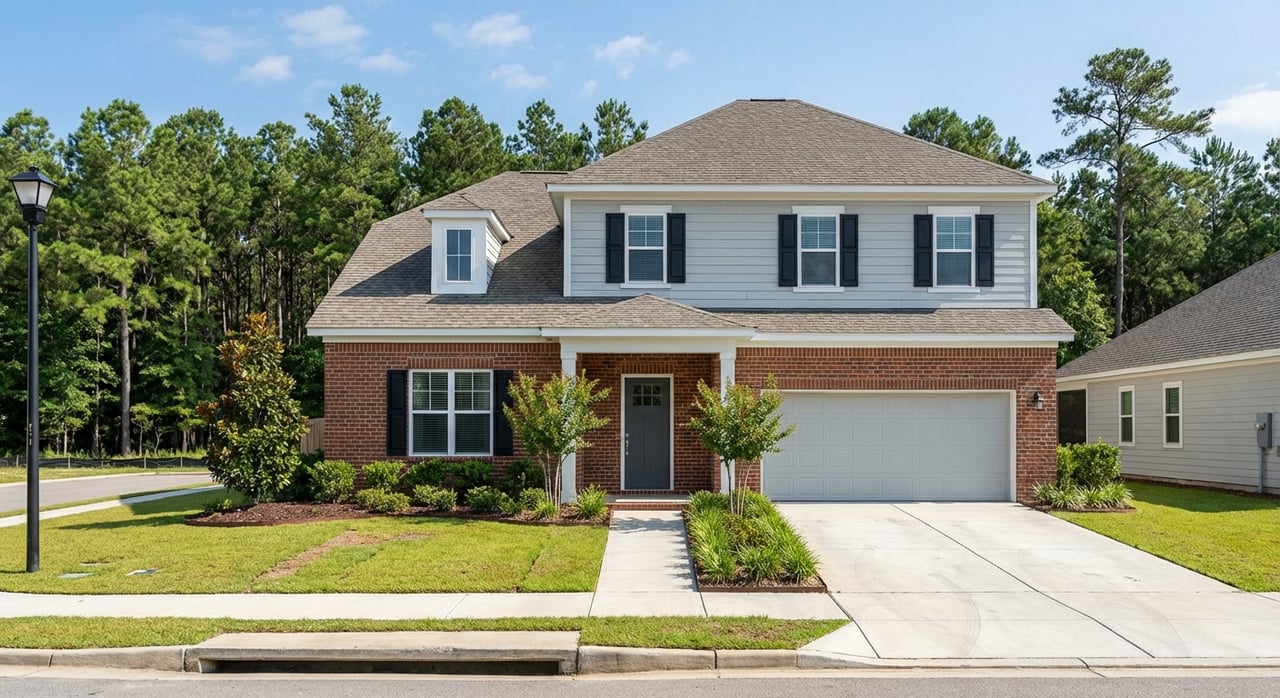
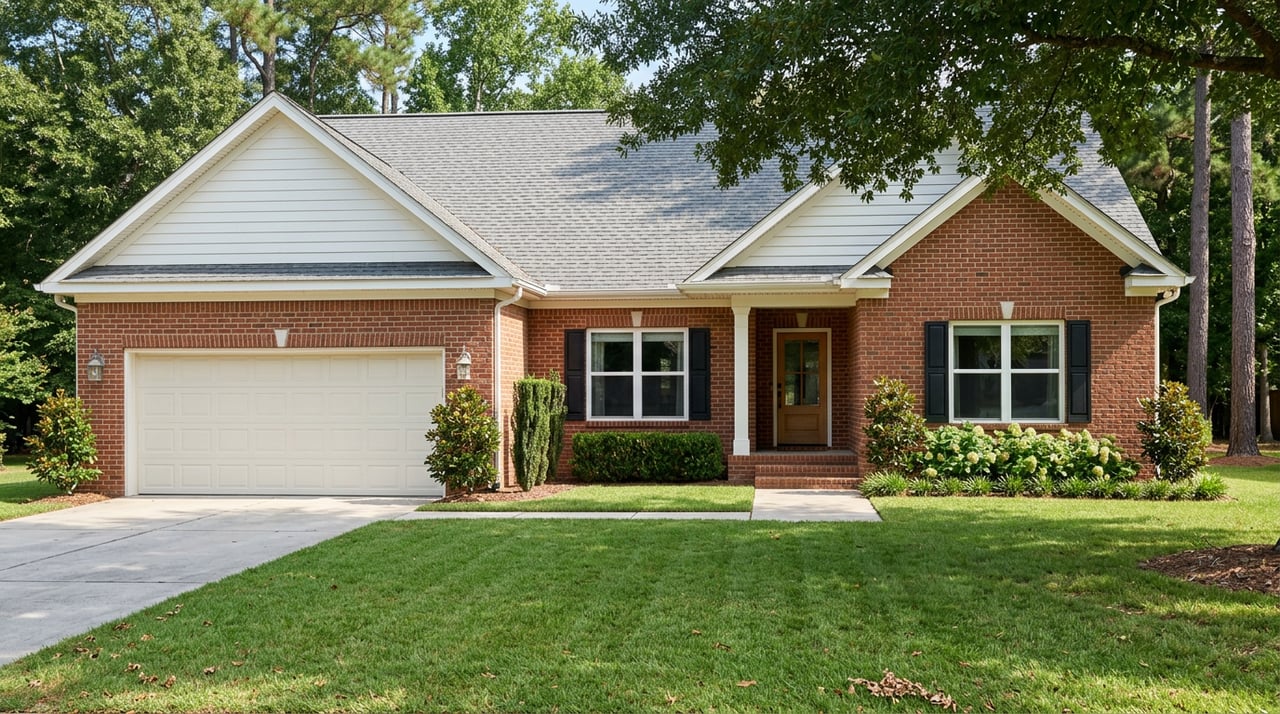
In-town Sanford neighborhoods and nearby subdivisions often feature lots roughly 0.1 to 0.5 acres, with many homes on quarter‑ to half‑acre parcels. You will see a mix of historic bungalows and Craftsman homes near downtown, mid‑century ranches, and more recent traditional two‑story builds. For a taste of historic character, the Hawkins Avenue and Downtown Sanford Historic Districts highlight early‑20th‑century architecture documented in the Hawkins Avenue Historic District overview.
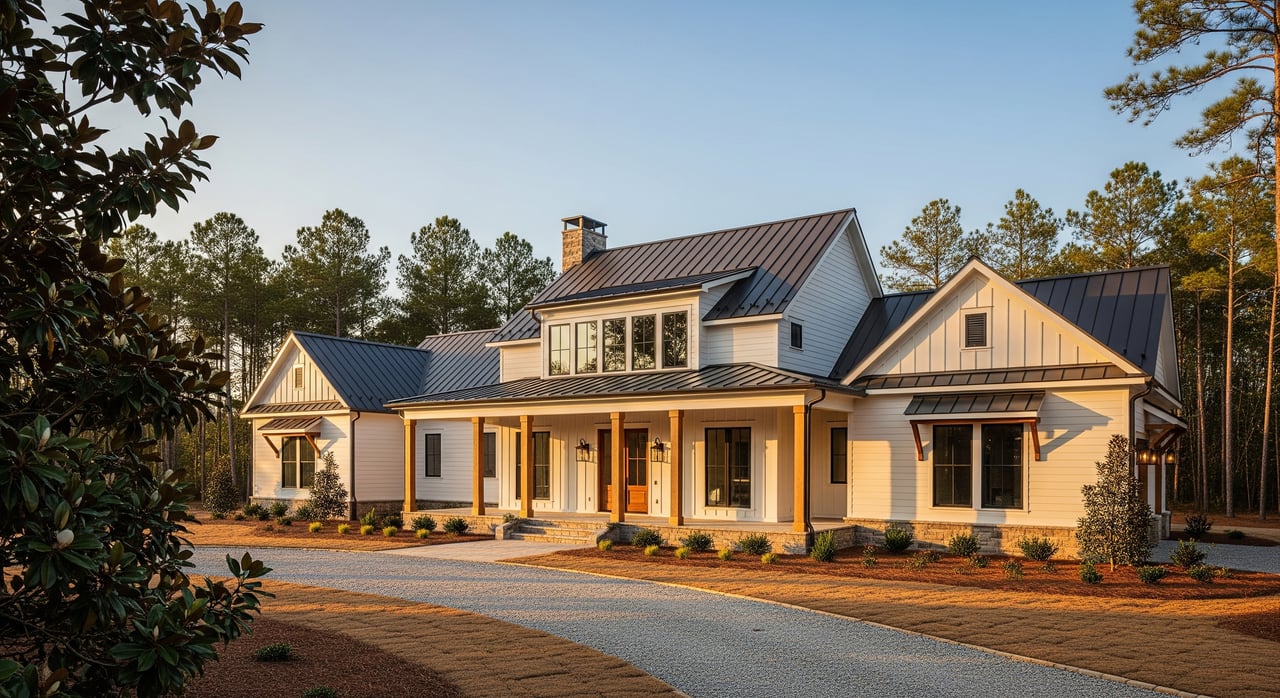
Rural parcels frequently start at 1 acre and go up from there, including small hobby‑farm properties and larger acreage tracts. Common rural home types include farmhouses, modular or manufactured homes on acreage, renovated cottages, and custom builds on private lots. Expect well and septic in many rural locations, along with longer private drives and utility runs.
What to expect when touring
- In‑town: Lower yard maintenance, sidewalks in many areas, and quick access to services.
- Rural: Space for gardens, workshops, and animals, plus a greater sense of privacy.
- Across the county: A range of prices and home ages, with the county’s median owner‑occupied home value near $240,200 per Census QuickFacts. Use current MLS data for exact neighborhood pricing.
Quick self‑assessment
Use these prompts to clarify which setting fits your day‑to‑day life.
- Commute tolerance: Do you need a 20‑minute or less drive, or are you comfortable with 40 to 60 minutes one way? The county average is about 25.8 minutes, per QuickFacts.
- Amenities priority: Do you want groceries, pharmacy, and a playground within 5 to 10 minutes, or are 20 to 30 minutes acceptable? The city concentrates many services in town and maintains local parks listed on the Parks & Grounds page.
- Yard and hobbies: Is less than 0.5 acre enough, or do you want 1+ acres for gardening, equipment, or animals?
- School and healthcare access: Do you want a short drive to a hospital or specific campuses? Verify attendance zones and routes before you decide.
- Utilities and maintenance: Do you prefer municipal water/sewer, or are you prepared to manage well and septic with regular inspections and pumping schedules?
In‑town vs rural: key tradeoffs
In‑town advantages
- Shorter drives to work, healthcare, dining, and activities.
- Sidewalks and denser street networks in many neighborhoods.
- Older character homes plus newer builds, often on manageable lots.
In‑town considerations
- Smaller yards and closer neighbors.
- Potential for higher purchase price per square foot in walkable areas.
- More traffic near popular corridors at peak times.
Rural advantages
- Larger lots for privacy, gardens, and outdoor storage.
- Quieter surroundings and nighttime skies.
- Greater flexibility for outbuildings, subject to local rules and easements.
Rural considerations
- Longer daily drives and more vehicle wear.
- Well and septic responsibilities, plus occasional gravel or private road upkeep.
- Confirming legal access, recorded easements, and utility availability is essential.
Utilities, access, and ownership checklist
Before you fall in love with a property, verify these items at the parcel level.
- Water and sewer: Municipal service versus private well and septic. If private, review past permits and maintenance records.
- Access: Confirm recorded easements for any private drives or shared roads.
- Power and internet: Distance to the nearest transformer and the available providers.
- Zoning and use: Check local rules on accessory buildings, animals, and home‑based businesses.
- Insurance and inspections: Budget for well, septic, and water testing where applicable.
How I help you compare homes
If you are moving for work or a PCS timeline, you need a clear, calm process. I help you map commute times along US‑1 and NC‑87, compare in‑town and rural utility setups, and weigh the cost and time tradeoffs of yard size, outbuildings, and privacy. For VA buyers, I coordinate with your lender on appraisals, well and septic requirements, and any repairs that matter for loan approval.
You can tour in person or by video, and I handle the details to keep you on schedule, from first showing to closing. When you are ready, I will create a side‑by‑side of your top picks with commute, lot size, and maintenance notes so the right choice stands out.
Ready to talk through your options in Lee County? Reach out to Erica Mooring to get local guidance that fits your timeline and goals.
FAQs
What is considered “in‑town” in Lee County?
- Typically homes within Sanford city limits or the Town of Broadway, often with municipal water/sewer, sidewalks, and close access to downtown services.
How long is the average commute in Lee County?
- The mean travel time to work is about 25.8 minutes, according to U.S. Census QuickFacts.
How far is Sanford from Raleigh and Fayetteville?
- Raleigh is roughly 41 to 43 miles, often 40 to 50 minutes one way, and Fayetteville is about 34 to 36 miles, often 40 to 60 minutes, per Travelmath.
What lot sizes are common in‑town vs rural?
- In‑town parcels often range from about 0.1 to 0.5 acres, while rural properties frequently start at 1 acre and extend to multi‑acre tracts.
Are utilities different for rural homes?
- Many rural homes use private well and septic, which require inspections and maintenance; in‑town properties are more likely to have municipal water and sewer.
Where can I find parks and trails near Sanford?
- Start with the city’s Parks & Grounds page and the San‑Lee Park hiking loop for larger trail networks.
Is healthcare close by if I live in the county?
- Central Carolina Hospital is located in Sanford, which keeps emergency and routine care within a short drive for many residents. See services at Central Carolina Hospital.