If you’re thinking about selling your Johnston County home, you may be wondering how to price it, what to fix first, and how to avoid surprises once your home hits the market. That’s a fair concern, especially in a county that continues to grow and where buyer expectations are shaped by both in-person showings and online marketing. The good news is that a smart, step-by-step plan can help you move forward with more confidence and fewer last-minute issues. Let’s dive in.
Why strategy matters in Johnston County
Johnston County is growing quickly. The U.S. Census Bureau estimated the population at 249,794 as of July 1, 2024, which was up 15.6% from the 2020 census base. For sellers, that growth helps support a broad pool of potential buyers.
At the same time, this is not a market where you can skip the basics. Recent market reports placed typical home values and sale prices in the mid-$300,000s, with time on market varying by source from about 38 to 96 days. The takeaway is simple: pricing, presentation, and timing still matter.
Step 1: Start with your sale timeline
Before you think about photos or showings, get clear on your timing. When do you want to list, when do you hope to close, and what needs to happen before you hand over the keys? Your answers will shape every other decision.
This matters even more if you are coordinating a job transfer, military move, purchase of another home, or remote closing. A realistic timeline gives you room to prepare the home, gather documents, review offers carefully, and stay organized during due diligence.
Step 2: Price from comps, not headlines
You may see countywide numbers that show median sale prices around the mid-to-upper $300,000s. Those reports are useful for context, but they do not price your specific home. Your home’s value depends on condition, location, size, updates, lot characteristics, and how it compares with recent sales.
That is why pricing should come from current comparable sales, not just a county average or a national estimate. In a balanced or moderate-paced market, an accurate list price can help attract stronger early interest and reduce the risk of sitting too long.
Step 3: Tackle pre-listing prep early
The homes that show best online and in person are usually the ones that were prepared before listing day. That does not always mean a full renovation. It often means cleaning up the details buyers notice right away.
A practical pre-listing plan may include:
- Decluttering main living areas
- Deep cleaning the home
- Touching up paint where needed
- Correcting obvious property faults
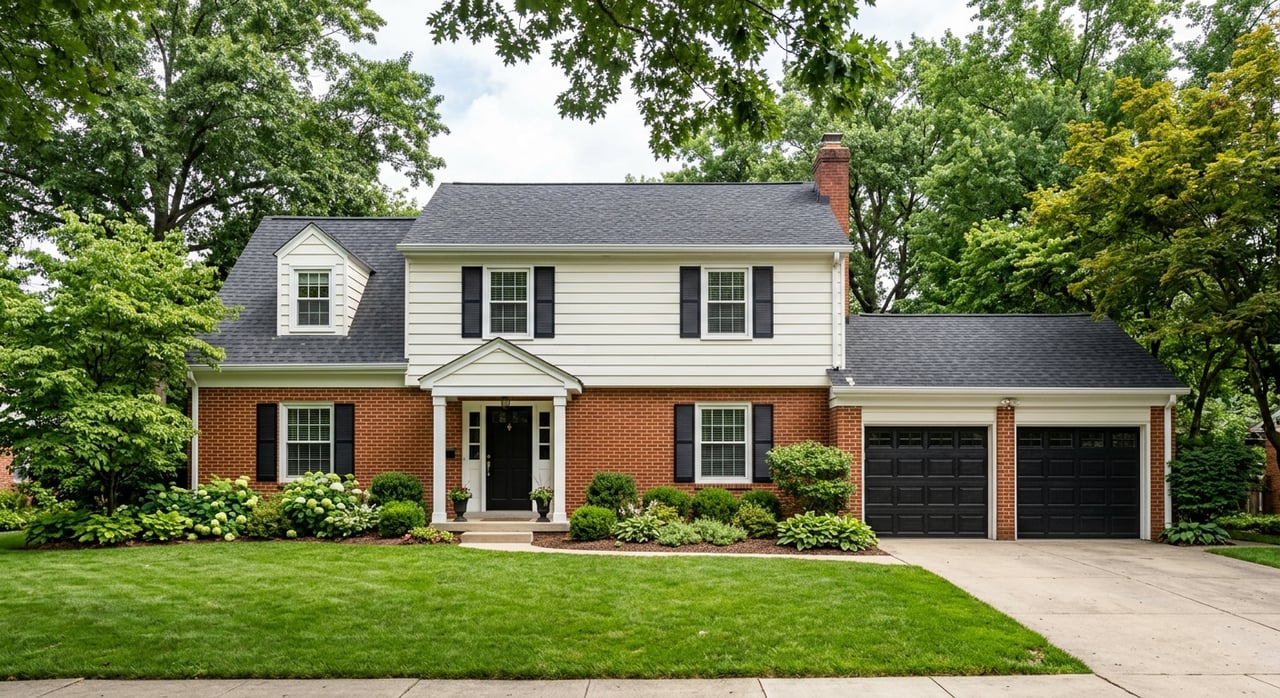
- Improving lighting and curb appeal
- Organizing storage areas and closets
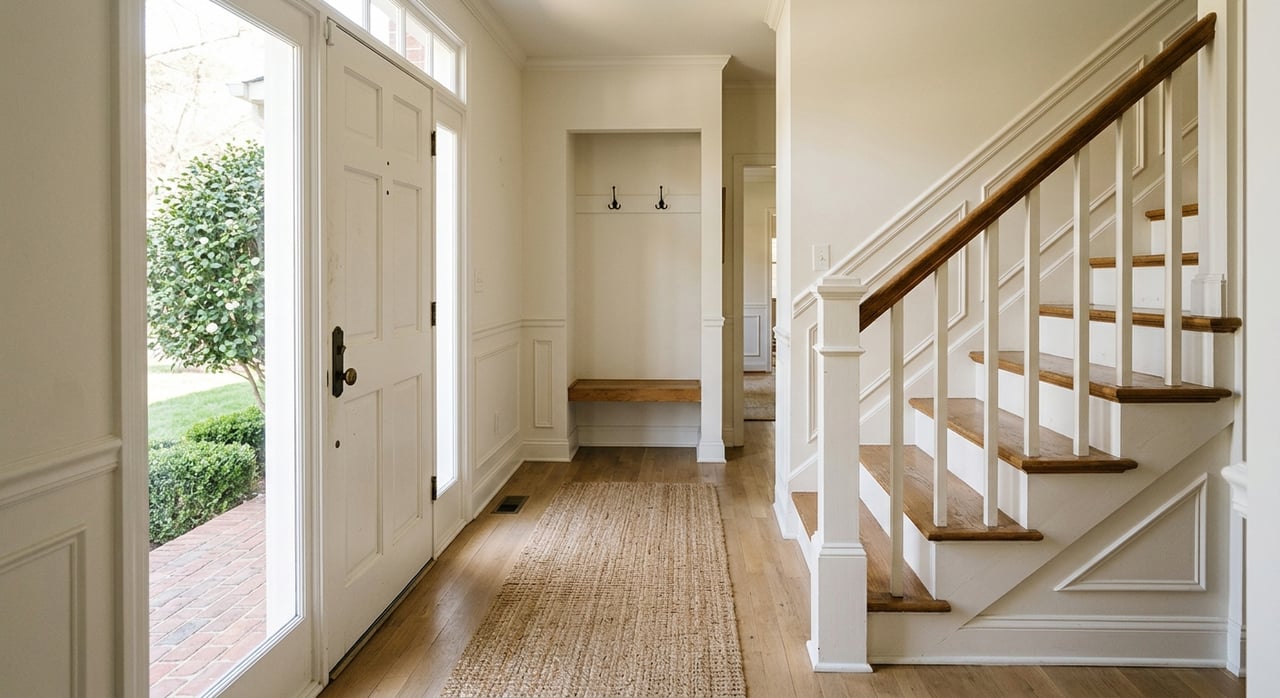
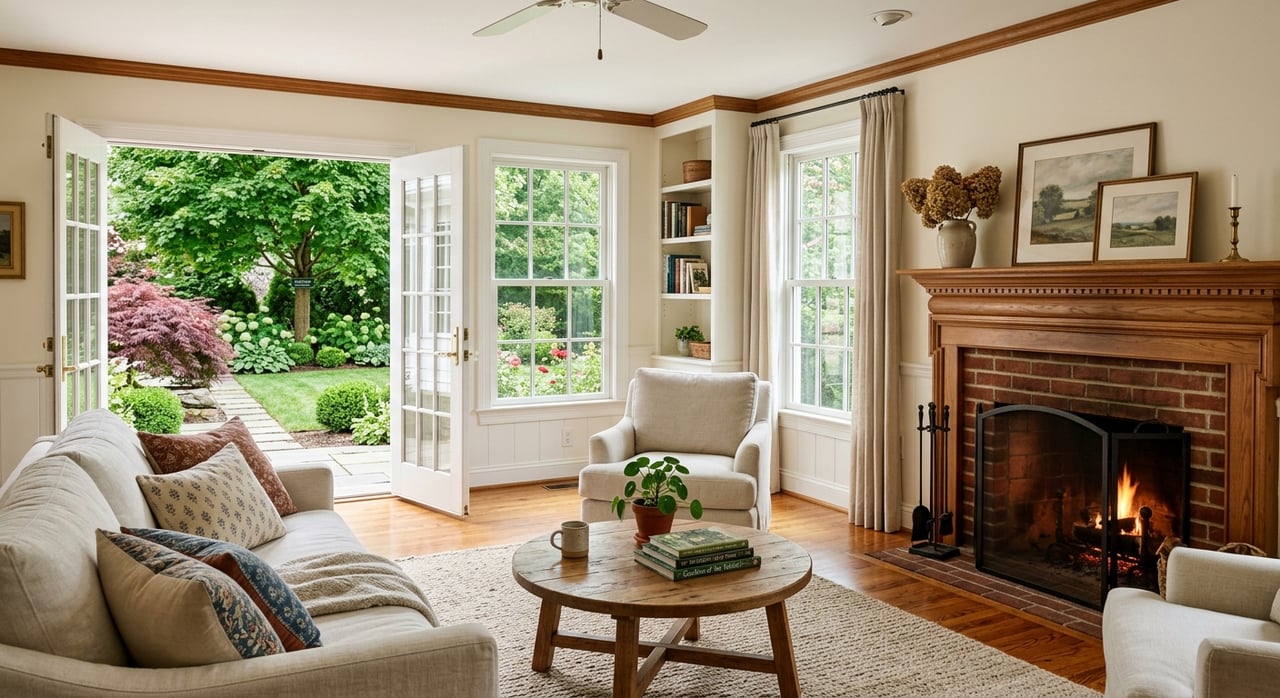
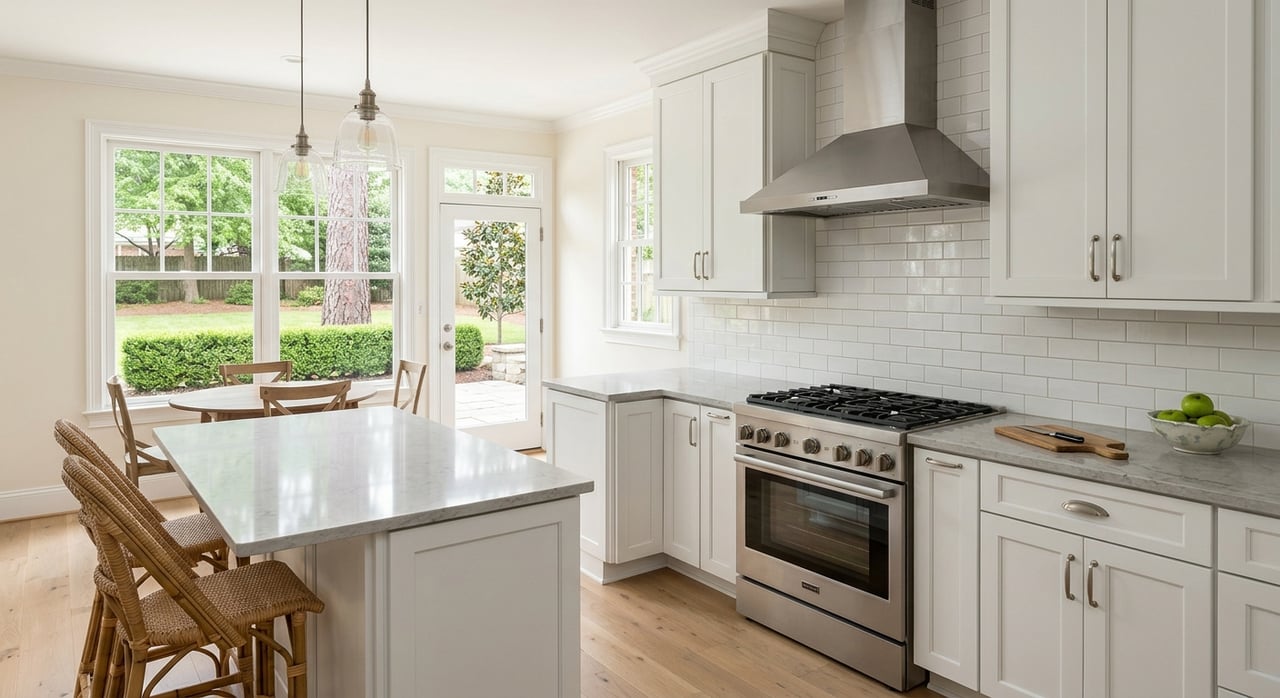
If you are not sure where to spend your time or money, focus first on the spaces buyers notice most. According to the 2025 National Association of REALTORS® staging survey, the living room, primary bedroom, and kitchen were the most important rooms to stage.
Step 4: Use staging where it counts
Staging does not have to be all or nothing. Even a lighter-touch approach can help buyers picture how the home lives and feels. In the same 2025 survey, buyers’ agents said staging made it easier for 83% of buyers to visualize a home as their future residence.
The data also showed a practical payoff. Some agents reported that staging reduced time on market, and 29% said staging led to a 1% to 10% increase in the dollar value offered. If you are budgeting for it, the survey reported a median spend of $1,500 when a staging service was used and $500 when the seller’s agent personally staged the home.
Step 5: Prepare your disclosures carefully
In North Carolina, disclosures are a major part of the selling process. Owners of most residential property must provide a residential property disclosure statement, and if the property is subject to an owners’ association or mandatory covenants, an additional association disclosure is required. Sellers of most residential one- to four-unit dwellings also must provide the Mineral and Oil and Gas Rights Mandatory Disclosure Statement before an offer, subject to limited exceptions.
The standard disclosure process can cover issues such as water and sewage systems, structural components, mechanical systems, infestation, zoning and restrictive covenants, encroachments, and environmental contamination. North Carolina also updated the residential property disclosure statement effective July 1, 2024, with more detailed flood-related questions.
For Johnston County sellers, a few topics deserve extra attention early in the process:
- Flood-zone status
- Restrictive covenants
- Homeowners’ association details
- Obvious electrical problems
- Any known significant defects
If something changes after you sign the disclosure form, you must promptly update the disclosure or correct the issue. If an inspection later reveals a significant defect and you choose not to repair it, North Carolina real estate guidance says that defect becomes a material fact that must be disclosed separately.
Step 6: Build a strong digital marketing plan
Today’s buyers often see your home online before they ever schedule a showing. That makes listing media one of the most important parts of your sale strategy. Strong visuals can help your home stand out and reach buyers who are relocating, out of town, or narrowing options before touring in person.
This matters in Johnston County, where 95.8% of households reported a computer and 89.4% reported a broadband subscription. It also lines up with buyer behavior nationally. The 2025 staging survey found that buyers expected to view a median of 20 homes virtually compared with 8 in person, and buyers’ agents rated photos, videos, and virtual tours as especially important.
A modern listing plan should usually include:
- Professional-quality photos
- Video or virtual tour content
- Clear property details
- Flexible showing options
- Marketing that reaches both local and remote buyers
Step 7: Make showings easy to access
Once your home is active, showing access becomes part of your marketing strategy. The easier it is for qualified buyers to see the home, the better your chances of generating strong interest early. If access is too limited, you may miss buyers who are trying to move quickly.
That does not mean you lose control of the process. It means creating a plan that balances your schedule with enough availability to support momentum. If you are still living in the home, a little planning ahead can make showings less stressful.
Step 8: Review the full offer, not just price
When offers come in, it is tempting to focus only on the top number. In North Carolina, that can be a mistake. The full offer package matters, especially because the due-diligence period plays a major role in how the transaction unfolds.
The due-diligence fee is negotiable and can be influenced by market conditions, days on market, the length of the due-diligence period, and the parties’ circumstances. Because buyers may terminate during that period, sellers should look at more than price alone.
When you review offers, compare:
- Offer price
- Due-diligence fee
- Earnest money amount
- Financing strength
- Requested timeline
- Repair expectations
- Closing flexibility
A cleaner, more reliable offer can sometimes be more attractive than a higher one with more risk attached.
Step 9: Be ready for due diligence
After you go under contract, the buyer’s investigation period begins. In North Carolina, sellers should expect buyers to use due diligence for several important steps. These may include the home inspection, pest inspection, septic review, appraisal, survey, title search, loan qualification, and repair discussions.
Buyers may ask for repairs or concessions during this period. As a seller, you are not required to agree to those requests. If you do agree to repairs, they must be completed before settlement in a good and workmanlike manner, and the buyer may verify the work and complete a final walk-through.
This stage often goes more smoothly when you already know the home’s likely trouble spots. Early preparation and careful disclosure can help reduce avoidable friction once inspections begin.
Step 10: Understand the North Carolina closing process
Closings in North Carolina involve attorneys. The legal side of the transaction typically includes title review, title opinions, title insurance, deed preparation, recordation, and disbursement of funds. Nonlawyers may not handle the legal parts of the closing or give legal advice.
Another practical point is timing. Funds are typically not disbursed until the deed and deed of trust are recorded, and that usually requires delivery to the Register of Deeds during normal business hours.
For Johnston County sellers, that final recording step is local and time-sensitive. The Johnston County Register of Deeds records legal documents and maps, serves real estate customers on weekdays, and offers eRecording. Also keep in mind that annual property tax bills are mailed in late July and taxes are due September 1, so summer closings may require careful prorations and payoff review.
Where full-service guidance helps most
A strong selling experience is usually the result of many small decisions handled well. That includes spotting disclosure issues before listing, deciding which repairs are worth doing, selecting the right staging level, building polished listing media, and managing timelines from contract to closing.
That hands-on coordination can be especially helpful if you are selling from out of town, balancing a move, or trying to keep the process as smooth as possible for your household. Clear communication, practical advice, and strong follow-through can make a real difference from the day you prepare your home to the day funds are disbursed.
If you’re getting ready to sell in Johnston County and want a practical plan that fits your timeline, marketing goals, and next move, Erica Mooring can help you navigate each step with clear guidance and dependable support.
FAQs
What is the first step in selling a home in Johnston County, NC?
- Start by setting your timeline for listing, showings, contract, and closing so you can make better decisions about pricing, preparation, and your move.
How should you price a home for sale in Johnston County?
- Price your home using current comparable sales, condition, and features rather than relying only on countywide median price headlines.
What disclosures do North Carolina home sellers usually need?
- Sellers of most residential properties need to provide a residential property disclosure statement, and many also need association disclosures and the Mineral and Oil and Gas Rights Mandatory Disclosure Statement.
Why does staging matter when selling a Johnston County home?
- Staging can help buyers picture themselves in the home, improve online appeal, and may reduce time on market or support a stronger offer.
What happens during due diligence in a North Carolina home sale?
- During due diligence, buyers may complete inspections, appraisal, financing steps, title review, and repair negotiations before deciding whether to move forward.
Do you need an attorney to close a home sale in North Carolina?
- Yes, North Carolina residential closings involve attorneys for key legal tasks such as title review, deed preparation, recordation, and disbursement coordination.