Looking for a quieter pace without giving up access to the rest of the region? If Alamance, NC is on your radar, you are probably trying to figure out what daily life really feels like, what kinds of homes you might find, and whether the location fits your routine. This guide walks you through the basics of small-town living in Alamance so you can decide if it matches what you want in your next move. Let’s dive in.
What Alamance feels like
Alamance is a very small village in central Alamance County, located about six miles south of Burlington. According to the Village of Alamance, the community is home to roughly 1,000 citizens.
That small scale shapes the overall experience. Instead of feeling like a busy commercial hub, Alamance comes across as a quieter residential pocket with a strong connection to local history.
A village rooted in history
The village’s public identity is closely tied to two historic themes: the Battle of Alamance site and the area’s textile-mill heritage. You can see that influence in local events, public landmarks, and the way the village presents itself on its official community pages.
Community events reflect that heritage focus. The village hosts an Annual Historic Plaid Day Celebration with live music, community performances, vendors, food, classic cars, and children’s activities, and the Alamance Battleground also hosts annual live reenactments.
Daily life in Alamance
If you are hoping for a simple, low-key setting, Alamance may appeal to you. The village’s official places of interest include a small set of everyday services such as a dental office, a clinic, local grocery and convenience stops, a nearby school, and several churches.
That does not suggest a large retail district or major entertainment corridor. Instead, it points to a more modest daily rhythm where many errands and activities are likely spread across the broader Burlington and Alamance County area.
What homebuyers should expect
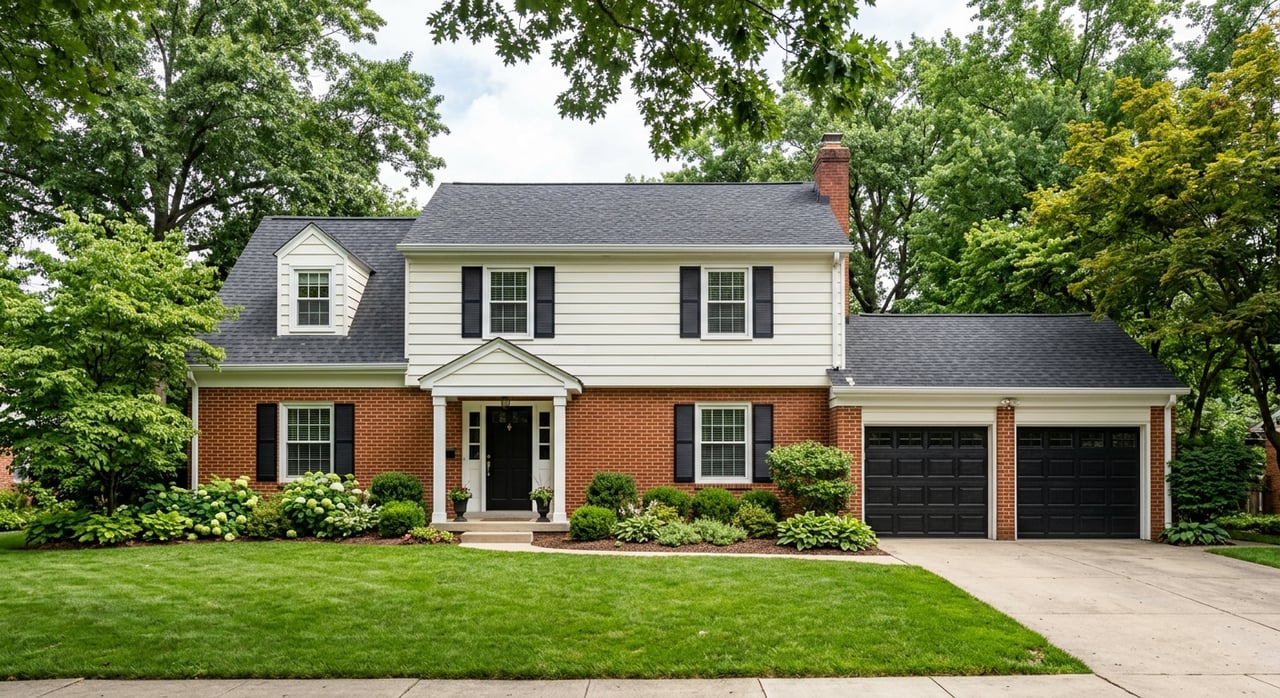
For buyers, one of the clearest takeaways is the housing mix. The Village of Alamance land-use plan reports that, in the 2000 census, 140 of 164 housing units, or 85%, were single-family detached homes.
The same land-use plan showed 6% manufactured homes, 6% multifamily dwellings, and 3% duplexes. It also said single-family housing was expected to remain the predominant housing type in the village.
Older homes are part of the picture
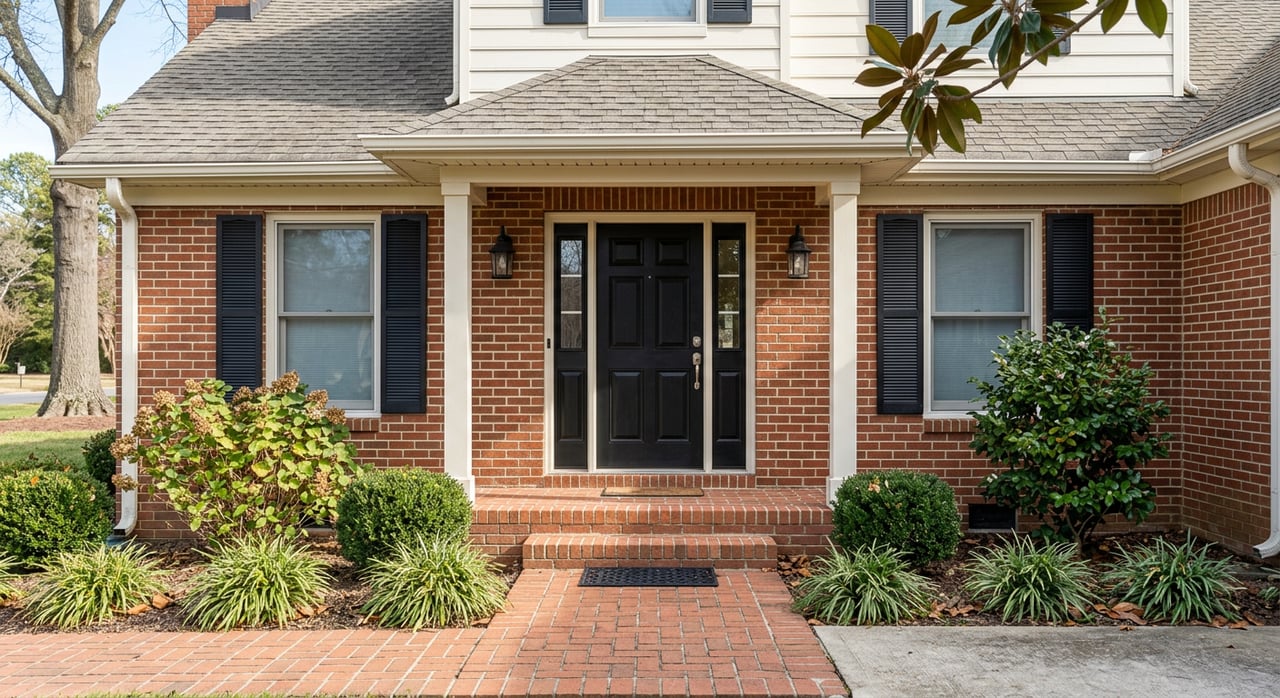
If you are browsing homes in Alamance, you should be prepared for an older housing stock. The village land-use plan reported a median year built of 1949, and about 75% of units were at least 30 years old at the time of the report.
That can be a plus if you like established residential areas and homes with a more traditional feel. It also means you may want to pay close attention to home condition, updates, maintenance history, and inspection findings as you compare properties.
Who Alamance may fit best
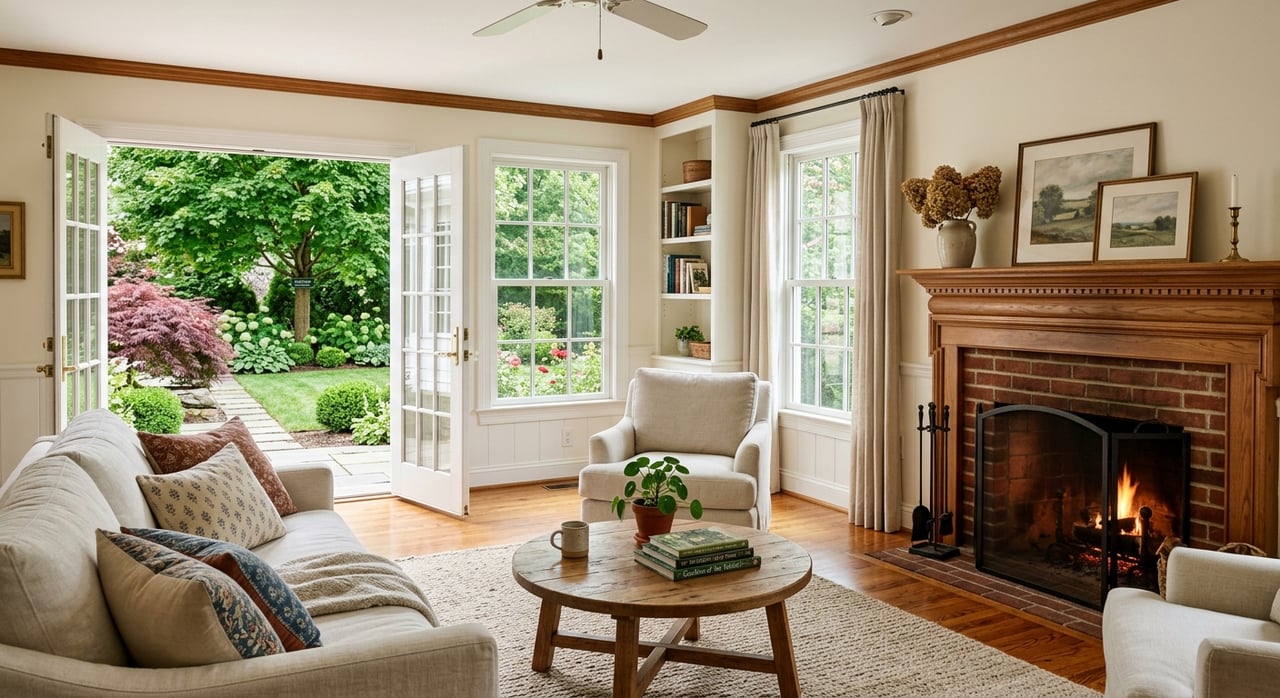
Alamance may be a strong match if you want a small residential setting instead of a newer, denser subdivision environment. Based on the village’s land-use profile, buyers who value established single-family homes and a quieter community setting may find the area especially worth exploring.
It may also make sense for buyers who do not need to live in the center of a major shopping or employment district. The village has long been described in planning materials as more of a residential base than a major job center.
Commuting and regional access
Location matters, especially if you expect to travel for work, appointments, or airport access. The village land-use plan says Alamance is within about 5 miles of I-40 and I-85, roughly 60 miles from Raleigh-Durham and Greensboro, and about an hour from both RDU and Piedmont Triad International airports.
That regional access is a key part of the appeal. The plan also described Alamance as a “bedroom” community because most workers traveled outside the village for employment.
Why commuters may consider Alamance
If your priority is living in a smaller place while staying connected to larger job centers, Alamance may deserve a closer look. Alamance County transportation materials highlight the county’s central location between the Research Triangle and the Piedmont Triad, along with access to I-40 and I-85.
In practical terms, that means your lifestyle may feel more residential at home while still giving you a route to broader work and travel networks. For many buyers, that balance is a major factor in choosing a smaller community.
Outdoor recreation nearby
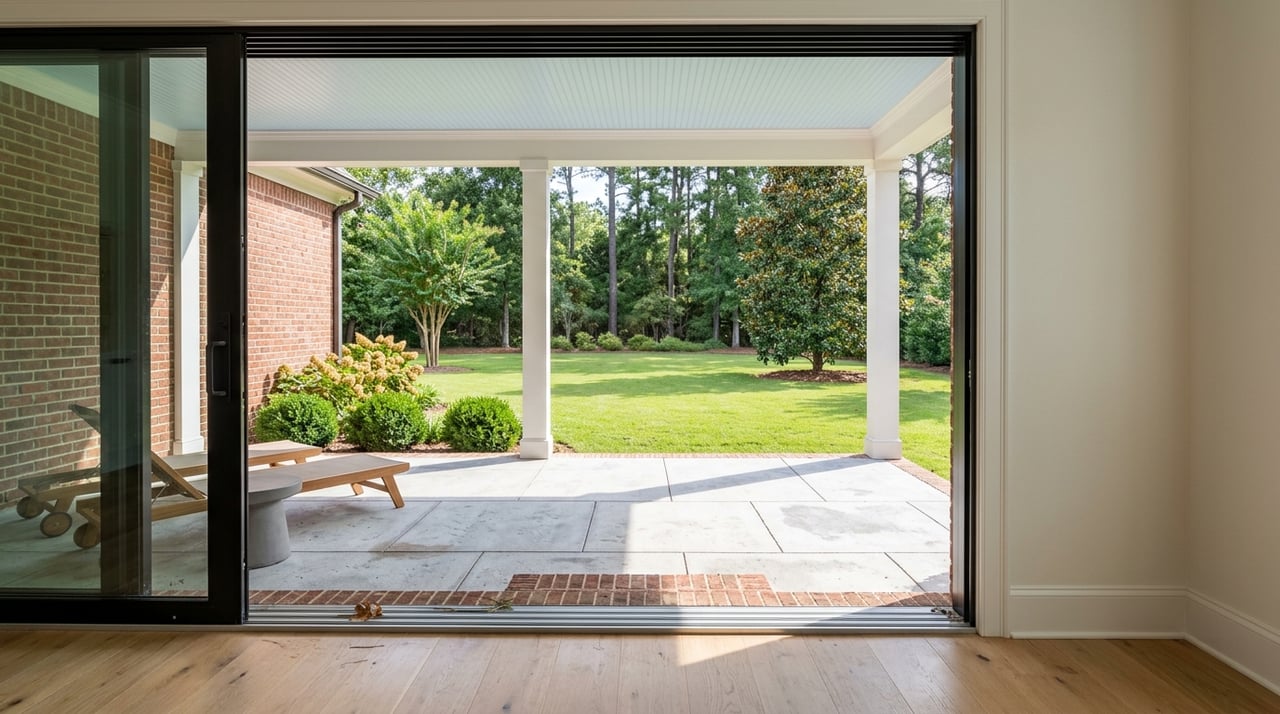
Small-town living does not have to mean limited outdoor options. Alamance is well-positioned within the county’s broader Haw River recreation system, which the county describes as an approximately 80-mile Haw River Trail land-and-paddle corridor.
The currently open portions include four recreational parks, about 20 miles of hiking trails, roughly 40 miles of paddle trail, and 14 paddle accesses. That gives buyers a meaningful amount of nearby recreation to consider if outdoor time matters to their routine.
Great Bend Park and river access
Closer to the village, Great Bend Park at Glencoe offers 30 wooded acres along the Haw River. The park includes hiking trails, fishing areas, and paddle access.
For buyers who enjoy simple outdoor recreation, that kind of nearby access can add a lot to day-to-day living. It also reinforces the area’s quieter, more nature-connected feel.
More trails in the county
Farther southwest in the county, Cane Creek Mountains Natural Area provides public access to Alamance County’s largest state-significant natural heritage area. County information notes that it includes 4.85 miles of hiking trail plus a lookout tower.
Along with those trail options, Alamance Battleground also serves as an outdoor historic site with free admission and guided tours. That mix of natural and historic spaces gives the area a distinctive kind of recreation.
Questions to ask before you buy
When you are thinking about a small village like Alamance, a few practical questions can help you decide if it fits your needs:
- Do you want an established residential setting rather than newer subdivision-style development?
- Are you comfortable with older homes that may need updates or closer inspection?
- Will nearby interstate access support your work, travel, or family routine?
- Do you prefer a quieter location over a larger commercial district?
- Would local history and outdoor recreation add value to your day-to-day life?
These questions matter because a small-town move is often less about square footage alone and more about how the setting supports your lifestyle.
How to approach your home search
If you are considering Alamance, it helps to go in with clear expectations. Focus on the age and type of homes available, your likely commute patterns, and how much you want nearby recreation versus nearby retail.
It is also smart to compare the village lifestyle with nearby areas in Alamance County so you can weigh trade-offs clearly. The right fit depends on whether you want a quiet home base, a historic setting, and regional access more than a large concentration of services right outside your door.
If you want help sorting through small-town options, older-home considerations, or a move that requires clear communication from start to finish, Erica Mooring is here to help you navigate the process with practical guidance and responsive support.
FAQs
What is small-town living like in Alamance, NC?
- Small-town living in Alamance is shaped by its very small size, historic identity, and modest cluster of everyday services, which creates a quieter residential atmosphere.
What types of homes are common in Alamance, NC?
- The village land-use plan reports that the housing stock has been mostly single-family detached homes, with smaller shares of manufactured homes, multifamily dwellings, and duplexes.
Are homes in Alamance, NC generally older?
- Yes. The village land-use plan reported a median year built of 1949 and said about 75% of units were at least 30 years old.
Is Alamance, NC a good place for commuters?
- It can be, especially if you want a small residential setting with access to I-40 and I-85 and connections to the broader Triangle and Triad region.
What outdoor recreation is near Alamance, NC?
- Nearby options include the Haw River Trail system, Great Bend Park at Glencoe, Cane Creek Mountains Natural Area, and Alamance Battleground.
What is Alamance, NC known for?
- Alamance is known for its connection to the Battle of Alamance site, its textile-mill heritage, and community events that reflect that history.