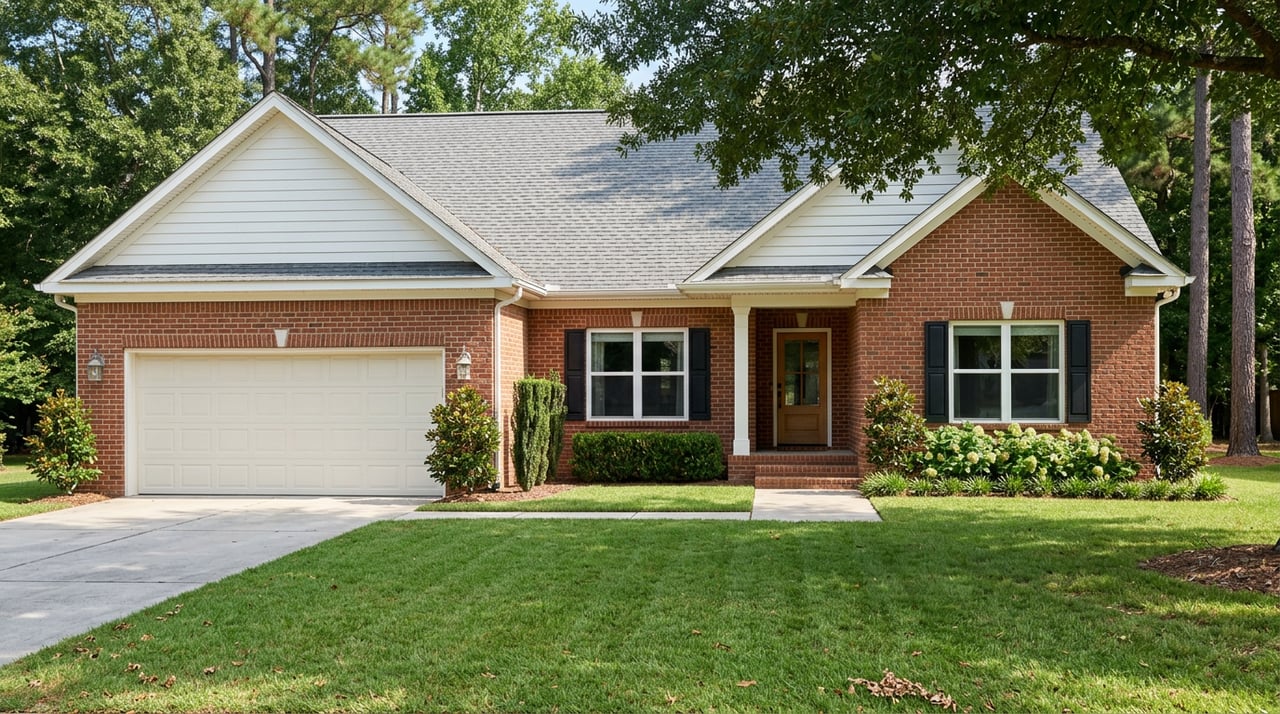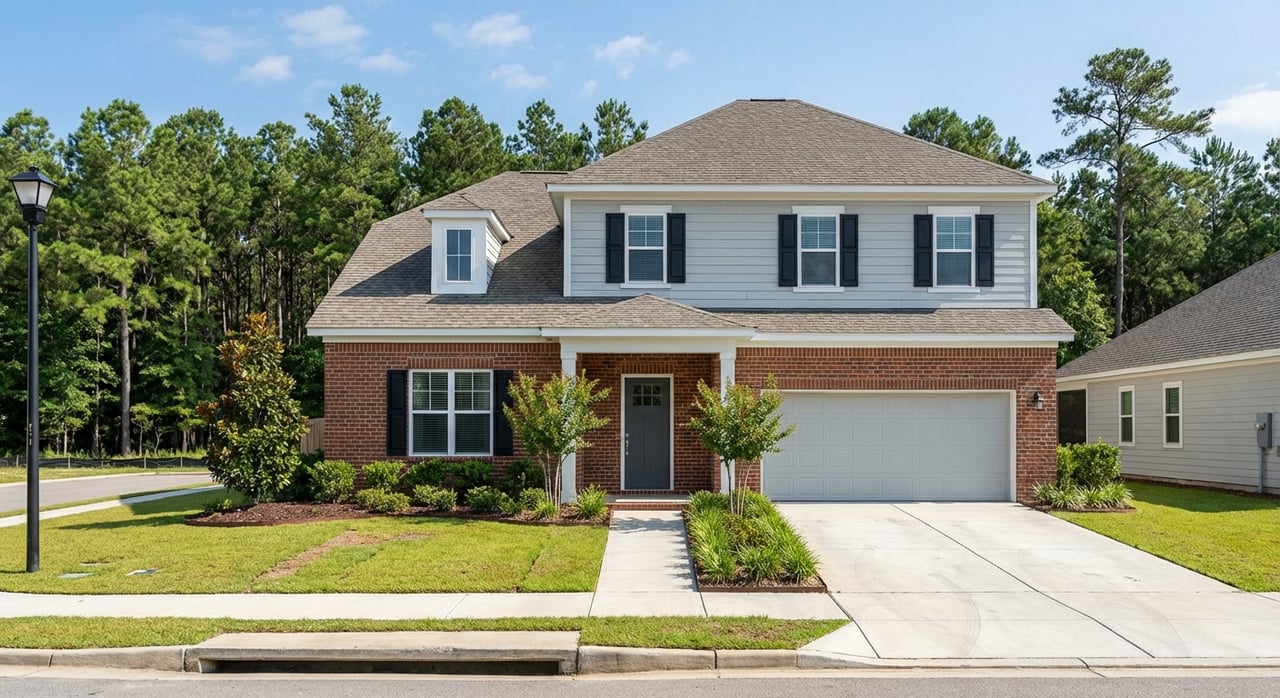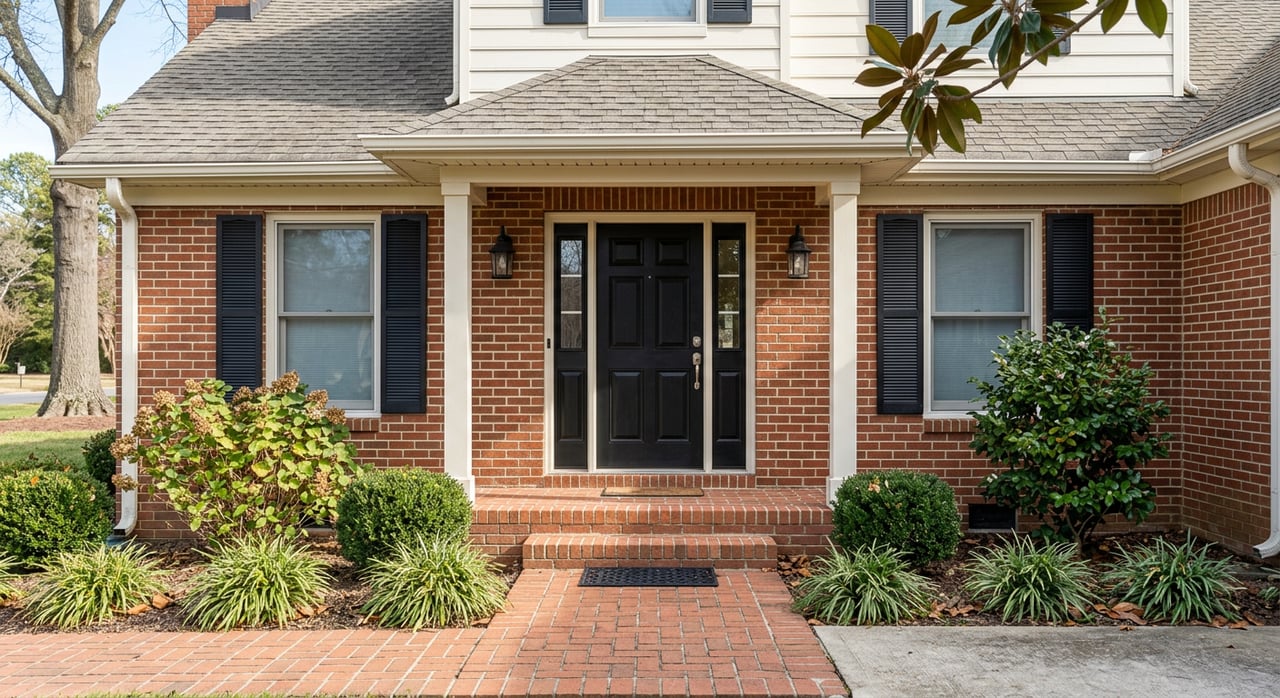
Thinking about a move to Wake County? You are not alone. The Triangle keeps drawing newcomers for its strong job market, short average commutes, and easy access to parks, museums, and a well-connected airport. In this guide, you will get a clear picture of everyday life, housing patterns, commute options, and practical tips if you plan to buy from out of state. Let’s dive in.
Wake County at a glance
Wake County is large and growing fast. The U.S. Census estimates the county’s population at about 1,232,444 as of July 1, 2024, up from 1,129,410 in 2020. You can explore income and commute measures in the same dataset on Census QuickFacts.
Commutes are manageable for many residents. The countywide mean travel time to work is about 25 minutes, according to the American Community Survey. That average reflects a mix of short intra-city drives and longer trips into major job hubs.
Raleigh–Durham International Airport (RDU) helps make travel simple. The airport recorded record passenger traffic in 2024, which signals strong airline service and connectivity for work and leisure trips. Read more in RDU’s latest report.
Jobs and where people work
Research Triangle Park (RTP) is a standout regional job center. It hosts hundreds of companies and tens of thousands of workers across life science, tech, and research fields. RTP sits between Raleigh and Durham and directly shapes housing demand and commutes in places like Morrisville and Cary. Learn more on the RTP overview page.
Downtown Raleigh is another key employment node. State government, professional services, and a growing tech and startup scene create steady demand for homes within reach of the core. Major health systems and nearby university research campuses also provide stable employment across the county.
Housing and neighborhood basics
Countywide prices vary by source and timing. As a reference point, one market tracker reported a Wake County median sale price around $460,000 in Feb 2026. Other indexes that estimate “home values” can show different figures because they use different methods. The key takeaway is simple: prices vary widely by town, neighborhood, and home type.
Here is a quick way to think about common neighborhood types:
- Raleigh urban core: walkable neighborhoods, condos and older single-family homes, short drives to downtown offices.
- Cary, Morrisville, RTP-adjacent: newer subdivisions and master-planned communities with easy highway access to job hubs and RDU.
- Apex, Holly Springs, Fuquay-Varina: rapidly growing suburbs with a mix of new construction and established neighborhoods; longer drives to some job centers.
- Wake Forest, Rolesville (north): small-town main streets with commuting options into Raleigh.
Commute patterns and key routes
You will see the 25-minute mean commute in many places, but your time depends on your exact route. Major arteries shape daily travel: I-40 runs east–west through the county, I-440 forms part of the Raleigh beltline, and NC-540 (the Triangle Expressway) creates an outer loop in growing segments. For planning context, see the Wake County Transportation Plan.
Public transit options
Local and regional bus systems connect key corridors. GoRaleigh provides local service, while GoTriangle links cities across the region. Coverage and frequency vary by route, so check schedules by corridor when you compare neighborhoods. A helpful overview is available in the GoRaleigh Short-Range Transit Plan appendix.
Everyday life and amenities
If you like the outdoors, you will have options. The Capital Area Greenway weaves miles of paved trails through Raleigh and nearby towns, making it easy to bike, jog, or take a stroller out on the weekend. For a deeper look at the network, review the Capital Area Greenway Master Plan.
William B. Umstead State Park sits between Raleigh and Cary and offers lakes, shaded trails, and picnic areas just minutes from major employment centers. Plan a visit with the Umstead State Park guide.
Cultural options are strong, too. Downtown Raleigh features the North Carolina Museum of Natural Sciences, one of the largest institutions of its kind in the Southeast. It is a practical stop for weekend learning and family-friendly events. See current exhibits on the museum’s site.
Regional connections: Triangle to Sandhills
Weekend escapes are easy. Pinehurst in the Sandhills is roughly 60 to 75 miles from much of Raleigh, with typical drive times around 1 hour 15 minutes to 1 hour 30 minutes under normal traffic. Many residents use US-1 south or a combination of I-40 and US-1. Check an example route on this Raleigh-to-Pinehurst drive-time map.
Highways like US-1 and I-40 also connect Wake County to other metro areas and to I-95. Expanding segments of NC-540 continue to change access patterns and can shorten certain commutes.
Remote or out-of-state buying tips
North Carolina closings are attorney-driven. A local closing attorney typically coordinates your title search, settlement, and recording. If you are buying from out of state, ask your agent and lender early about the closing workflow and how you will sign.
Remote notarization is now available in many transactions. North Carolina permits Remote Electronic Notarization under current rules, and many closing attorneys support secure e-signing and e-recording. Always confirm your closing attorney’s process and your lender’s requirements. For regulatory updates, review the North Carolina Real Estate Commission eBulletin.
Virtual-first buying checklist
- Get pre-approved with a lender and ask about appraisal timelines and local underwriting details.
- Request detailed virtual tours, 3D scans, floor plans, seller disclosures, and recent utility bills up front.
- Use e-signatures and confirm your closing attorney’s acceptance of remote notarization and e-recording.
- Check recording timelines with the Wake County Register of Deeds so you know when keys can be released.
- If you need flexibility, discuss occupancy or possession terms with your agent and closing attorney.
How to choose where to live
Start with your daily routine. If you need frequent access to RTP, focus on Morrisville, Cary, and parts of western Raleigh that offer quick highway links. If you prefer walkable dining and shorter drives to state government or downtown offices, explore central Raleigh.
Next, map your commute options. Overlay your preferred neighborhoods with I-40, I-440, or NC-540 access. Then check transit options if you plan to use a bus for part of your week.
Finally, look at your lifestyle anchors. If greenways, parks, or specific community amenities matter to you, layer those into your search. For schools, review official district resources for enrollment and assignment details.
Plan your move with a proven guide
If you are relocating from out of state or moving on a tight timeline, the right help makes all the difference. With deep relocation experience, VA loan know-how, and virtual tools for buyers, you can reduce stress and keep your move on track. If Wake County is your destination and you need a trusted connection in the Triangle, I can coordinate your search and introduce you to vetted local partners while supporting your process end to end.
Ready to make a confident move? Reach out to Erica Mooring for personalized relocation planning, virtual tour support, and VA-friendly guidance.
FAQs
What should newcomers know about Wake County’s size and growth?
- The U.S. Census estimates 1,232,444 residents as of July 1, 2024, reflecting steady growth across Raleigh, Cary, and surrounding towns.
Where are the biggest job hubs in the Triangle?
- Research Triangle Park is the dominant tech and life-science cluster, with additional jobs in downtown Raleigh, health systems, and nearby university research centers.
How long is the average commute in Wake County?
- The American Community Survey reports a mean travel time of about 25 minutes, though your time will vary by route and work location.
What are the main highways for daily commuting?
- I-40, I-440, and NC-540 shape most commutes, with NC-540’s growing loop improving access in western and southern parts of the county.
Is public transit a practical option in Raleigh and Cary?
- Many residents drive, but GoRaleigh and GoTriangle provide bus service on key corridors; check route frequency for your specific commute.
How far is Pinehurst from Raleigh for weekend trips?
- Plan on roughly 60 to 75 miles and about 1 hour 15 minutes to 1 hour 30 minutes in typical traffic, often via US-1 or I-40 plus US-1.
Can I buy a Wake County home and close remotely?
- Yes in many cases; North Carolina allows Remote Electronic Notarization and many attorneys support secure e-signing and e-recording—confirm details early with your attorney and lender.